AI Can Give You an NPC That Remembers. It Could Also Get Your Favorite Artist Fired
Artificial intelligence stands at a pivotal juncture, offering transformative capabilities that promise to redefine our digital interactions while simultaneously posing profound questions about the future of human endeavor. This technological evolution presents a fascinating dichotomy: the power to imbue digital entities with unprecedented intelligence and the capacity to mimic creative output to a degree that challenges established industries. The emergence of sophisticated AI models signals an era where non-player characters (NPCs) within virtual worlds are no longer static automatons but dynamic entities capable of genuine memory and adaptive responses, fundamentally altering the fabric of interactive entertainment and immersive experiences.
Imagine navigating a virtual realm where every interaction with a digital inhabitant carries weight, where past conversations are recalled, and relationships evolve based on your actions and choices. This is the promise of advanced AI in gaming and simulations. Through deep learning and natural language processing, generative AI can equip NPCs with persistent memory, allowing them to remember specific player decisions, character traits, and even conversational nuances from previous encounters. This capability dramatically enhances player engagement, fostering a sense of genuine connection and immersion. Game designers can leverage these behavioral models to create dynamic storytelling, where narrative paths are not merely branched but organically sculpted by the player’s unique journey, leading to truly personalized interactive narratives that feel alive and responsive. Such intelligent virtual companions transcend traditional game design, offering unparalleled character depth and a level of realism previously unattainable in digital environments, enriching everything from complex role-playing games to expansive open-world adventures.
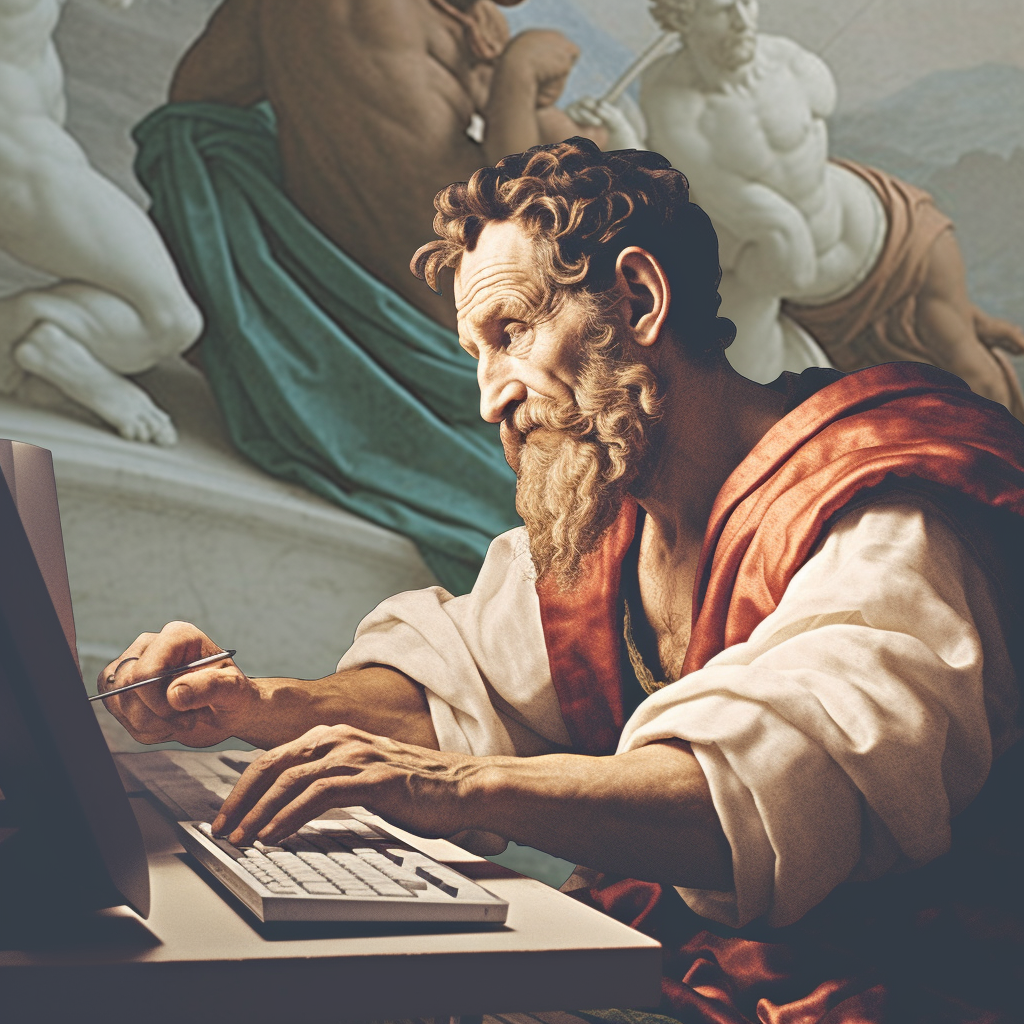
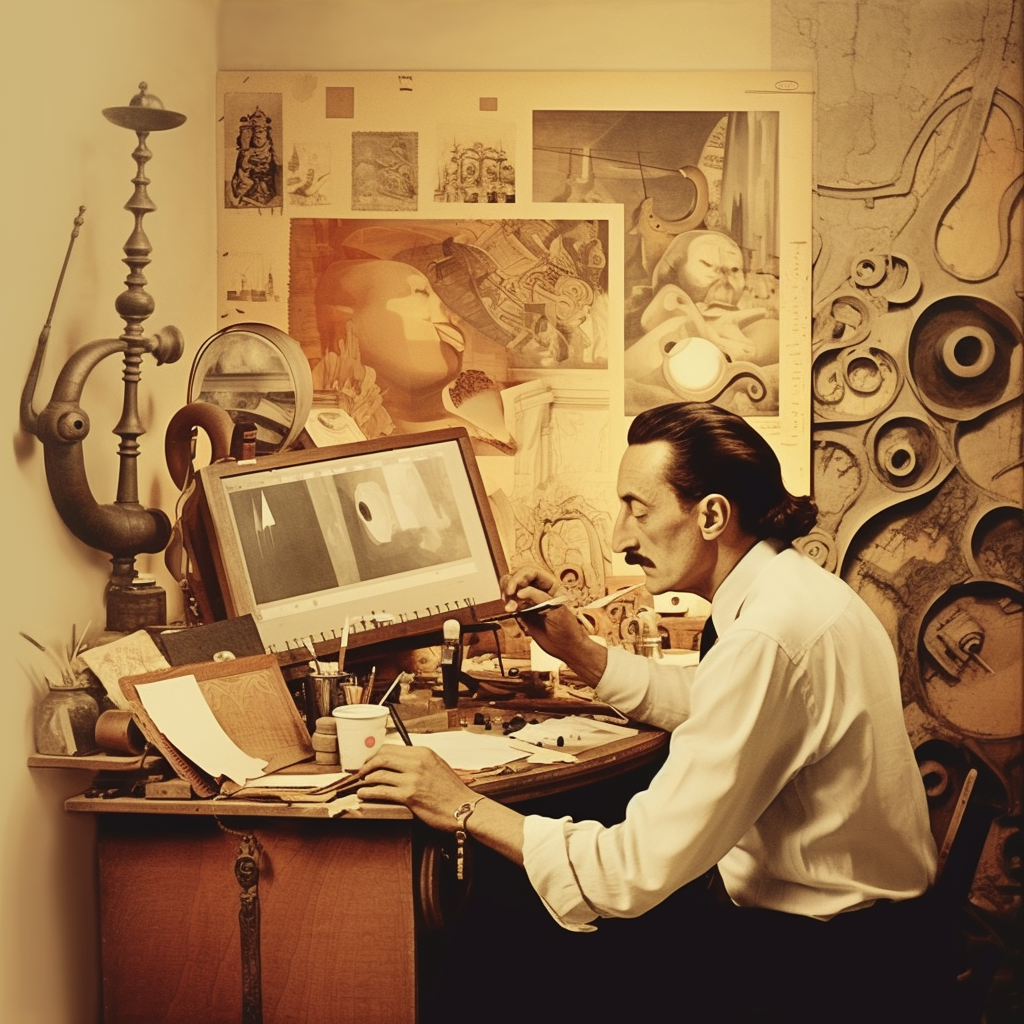
However, the very generative power that bestows memory and personality upon virtual entities also casts a long shadow over traditional creative industries. The same underlying machine learning algorithms that construct adaptive NPC dialogues can also be trained on vast datasets of human-created content, enabling them to generate highly convincing art, music, literature, and even voice performances. This capability, while undeniably impressive from a technological standpoint, introduces significant ethical and economic challenges for creative professionals. Generative art, powered by text-to-image synthesis or music generation models, can produce works in the style of virtually any artist, raising serious concerns about intellectual property rights, fair compensation, and the very definition of artistic integrity.
The implication for human artists, illustrators, musicians, writers, and voice actors is profound. As AI models become increasingly sophisticated, capable of producing high-quality creative output at scale and speed, the economic viability for human creative professionals faces an unprecedented threat. Digital artists might find their unique styles emulated and reproduced without attribution or remuneration, while music producers could see their compositions generated by algorithms at a fraction of the cost. The debate around ethical AI development and copyright infringement becomes central, as creators grapple with the prospect of their lifelong skills and artistic expressions being commoditized and replicated by machines. This technological unemployment within the creative sector is not a distant sci-fi fantasy but a tangible concern actively reshaping the creator economy, forcing a re-evaluation of how human ingenuity is valued and protected in an age of abundant machine-generated content.
Navigating this dual-edged sword requires thoughtful consideration and proactive measures. While the benefits of AI in enhancing interactive experiences are clear, offering richer, more responsive digital worlds, the potential for displacement within creative fields demands equally serious attention. The challenge lies in harnessing AI’s transformative capabilities to augment human creativity, foster new forms of artistic expression, and create innovative collaborative frameworks, rather than allowing it to become a tool for widespread creative disruption. Understanding both the unprecedented opportunities for deeper digital immersion and the critical need to safeguard human artistic endeavors will be paramount as we collectively shape the future landscape influenced by these powerful artificial intelligence systems.
By
Fernanda Seavon
https://www.wired.com/story/ai-game-design-midjourney-ethics-development/